Timeless Appeal: Using Aniline Leather Textures in Design
Understanding the Rich, Natural Aesthetic
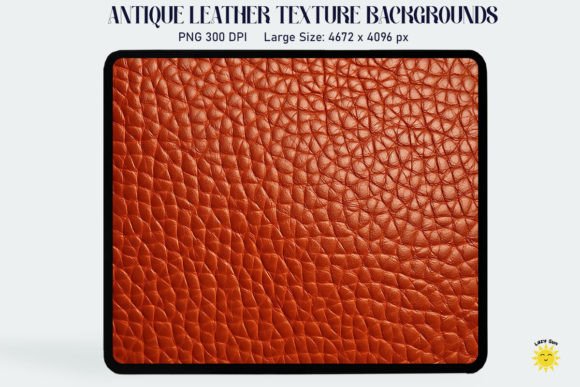
When you look at a piece of genuine aniline leather, you aren't just seeing a material; you are seeing history. Unlike heavily processed materials that hide imperfections, aniline leather is dyed exclusively with soluble dyes, allowing the natural grain and markings of the hide to show through. This process creates a surface that breathes, feels organic, and ages gracefully. Aniline Leather Texture Backgrounds capture this essence perfectly. They offer a visual depth that synthetic surfaces often lack, featuring subtle variations in tone and texture that mimic the way light plays on a high-quality hide.
The visual personality of these textures is one of understated luxury. We are talking about rich, deep browns, warm ambers, and classic blacks that feel tactile even on a flat screen. When you incorporate these into your design assets, you are adding an element of warmth and sophistication. The texture isn't just a background; it acts as a grounding element that can make foreground text and images pop. It speaks to durability and quality, making it an ideal choice for projects that need to convey trust and longevity.
Strategic Applications for Modern Creators
The versatility of a high-quality texture is often underestimated. While many designers might default to standard gradients or solid colors, using an Aniline Leather Texture Background offers a distinct advantage in brand identity and marketing materials. For entrepreneurs and small business owners, especially those in the lifestyle, fashion, or luxury goods sectors, this texture can elevate a simple layout into a professional brand presentation. Imagine using a distressed leather texture for a men’s grooming brand or a classic, polished surface for a high-end law firm’s digital stationery. The material immediately sets the tone.
For digital creators and social media managers, these backgrounds provide an excellent solution for breaking the monotony of flat digital spaces. They are particularly effective for:
- Social Media Graphics: Use them as a backdrop for quote cards or testimonials to add a layer of sophistication and stop the scroll.
- Web Design: While not ideal for body text, they work beautifully for hero sections, footers, or sidebar accents, adding texture to the user experience.
- Invitations and Stationery: For wedding invitations or event cards, a weathered leather texture can evoke a sense of nostalgia and warmth that paper textures sometimes miss.
- Packaging Design: When mocking up product designs, these textures simulate premium materials, helping clients visualize the final product.
It is important to remember that these are high-resolution assets (4672 x 4096 px at 300 DPI). This massive size ensures that you can use them for large-format printing, such as banners or trade show displays, without worrying about pixelation. You have the creative freedom to crop in tight on the grain for an abstract look or use the full piece for a broader context.
Maximizing Impact with Texture and Typography
Simply dropping a texture into a project isn't enough; the success lies in how you integrate it with your typography and layout. Aniline Leather Texture Backgrounds have a strong visual presence, which means they can easily overpower delicate text. To maintain readability and visual hierarchy, consider pairing these rich textures with clean, modern typography. A bold sans serif font often works best for headlines, providing a sharp contrast against the organic, flowing nature of the leather grain. If you are going for a vintage or classic vibe, a sturdy serif font can complement the texture, but ensure there is enough contrast in color and size so the text remains legible.
Furthermore, consider the emotional resonance of the specific texture you choose. The "Antique Leather Texture" or "Weathered Leather Backdrops" included in this collection tell a story of use and time. They are perfect for projects dealing with history, heritage, or craftsmanship. In contrast, a smoother, less distressed surface might be better suited for a modern luxury brand that wants to imply newness and perfection.
When working with these design assets, don't be afraid to manipulate them. Because these are high-resolution PNG files, you can adjust the saturation to mute the colors for a subtle background effect or increase the contrast to make the grain more dramatic. You can also use blend modes in your editing software to overlay the texture onto brand colors, creating a custom-colored leather effect that aligns perfectly with a specific brand identity. This flexibility makes them a practical tool for any creative professional's toolkit, bridging the gap between digital crispness and organic warmth.