Boho Abstract Backgrounds: A Designer's Essential Toolkit
Every creative project, whether a wedding invitation or a social media graphic, starts with a foundation. That foundation is often the background. A plain white or solid color can work, but sometimes you need more texture, more personality, more depth. This is where a versatile asset like a Boho Abstract Backgrounds set becomes invaluable. It’s not just a pretty picture; it’s a design tool that solves problems and elevates your work from simple to sophisticated.
The term "boho" evokes a specific aesthetic: organic, free-spirited, natural, and slightly eclectic. When applied to abstract backgrounds, this translates into designs that feel handcrafted and full of movement. Think of soft, blending watercolor washes, subtle paper textures with visible grain, gentle ink splatters, and flowing, organic shapes. The color palettes often lean towards earthy tones—terracotta, sage green, mustard yellow, dusty pink—mixed with creamy neutrals and occasional bold accents. The personality is warm, inviting, and artistic, avoiding the cold, digital perfection of geometric patterns. It’s a style that feels both modern and timeless, appealing to audiences who value authenticity and a personal touch.
Where These Backgrounds Truly Shine
The real strength of a well-curated Boho Abstract Backgrounds pack is its sheer adaptability. As a designer or entrepreneur, you’re constantly juggling different mediums. A single asset that works across digital and physical projects saves time, ensures brand consistency, and reduces costs. Let's break down the practical applications.
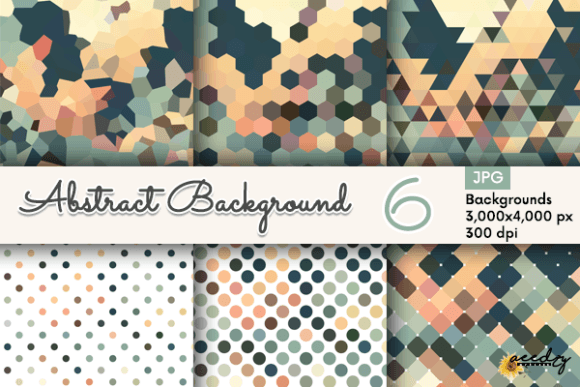
For digital projects, these backgrounds are a powerhouse. They are perfect for creating web design hero sections that don't overwhelm the text, social media graphics that stop the scroll, and blog headers that establish a visual tone. They work beautifully as backdrops for online shop banners, product mockups, and email newsletter templates. Because they are high-resolution JPG files at 300 DPI, they render crisply on high-definition screens. The abstract nature means they complement, rather than compete with, your logo design and typography, making them a key component of your brand identity.
In the realm of print and physical goods, their utility is equally impressive. The 3,000 x 4,000 pixel size at 300 DPI is a standard, professional specification for high-quality printing. This makes them ideal for wedding invitations, event cards, and stationery design. They can be printed directly onto paper crafts, used as gift wrapping paper, or even adapted for fabric printing for unique textiles. For planners and journal covers, they provide a durable, aesthetically pleasing surface. Scrapbooking and photo album designers can use them as full-page backgrounds or cut them into decorative elements. The possibilities extend to creating unique shop tags, printable wall art, and packaging design that tells a cohesive visual story.
Making the Asset Work for You: Practical Guidance
Having the asset is one thing; using it effectively is another. Here’s how to integrate a Boho Abstract Backgrounds set into your workflow with purpose.
Evaluate the Fit: Before you download, consider your project’s core message. Is your brand voice earthy, romantic, or minimalist? The boho aesthetic leans toward warmth and nature. If you’re designing for a tech startup or a corporate financial report, this style might not be the right fit. However, for lifestyle brands, wellness blogs, boutiques, event planners, and creative portfolios, it’s often a perfect match.
Test for Readability and Hierarchy: The biggest risk with any textured background is compromising legibility. Always place your text over the background in your editor and zoom out. Can you read the headline from a distance? A good practice is to choose a background with a relatively calm, low-contrast area for text placement. You can also add a semi-transparent shape or a subtle gradient overlay behind your text to ensure it pops. This is a fundamental web design and editorial design principle that maintains visual hierarchy.
Font Pairing is Critical: The right typeface can make or break the design. Since these backgrounds are expressive, your font choice should provide balance. A clean, modern sans serif font for body text offers excellent readability and a contemporary feel. For headlines, you could pair it with a complementary serif font for elegance or a script font for a more personal, handwritten touch. Avoid overly decorative display fonts that might clash with the background’s texture. The goal is modern typography where the background and type work in harmony, not in competition.
Think Beyond the Obvious: Don’t just use the backgrounds as-is. In a program like Photoshop or Canva, you can manipulate them. Layer two backgrounds with different blending modes (like Multiply or Overlay) to create new color effects. Use them as a texture layer over a solid color. Extract a small section to create a matching social media graphic or a favicon. This kind of creative exploration turns a single purchase into a library of unique design assets.
Understand the Licensing: For any commercial project—whether you’re selling the finished invitation, using the background on a client’s website, or printing it on products to sell—you must ensure the asset comes with a commercial license. A reputable premium font or asset pack will clearly state that you can use it for unlimited personal and commercial projects, which is essential for small business owners and entrepreneurs building their brands.
In essence, a set of Boho Abstract Backgrounds is more than a decorative element. It’s a strategic design asset that provides a cohesive, professional foundation for a wide array of projects. It helps establish a recognizable brand identity, enhances audience engagement through its appealing aesthetic, and offers the practical flexibility needed in today’s multi-platform creative landscape. By choosing a high-quality set and applying it thoughtfully, you equip yourself with a tool that consistently delivers both beauty and function.